
Book Appointment Now
Rehabilitation & Recovery
Surgery or treatment is only the first step; true healing happens in recovery. At Brain & Bone in Ghatkopar, our rehabilitation programs are designed to restore strength, mobility, and confidence. Whether you are recovering from a complex fracture, a joint replacement, or looking to safely return to sports, our targeted therapy plans bridge the gap between medical treatment and everyday life. This page outlines our structured approach to rehabilitation.
OVERVIEW
Rebuilding strength, restoring function, and regaining independence.
Rehabilitation is a carefully phased process of physical conditioning. It goes beyond simple exercises; it involves re-educating muscles, improving joint mechanics, and safely managing post-operative pain. At Brain & Bone, our orthopaedic and physiotherapy teams collaborate closely, ensuring that your recovery aligns perfectly with your surgical or conservative treatment plan.
Whether you are learning to walk comfortably again or preparing to get back on the field, our orthopaedic consultation will set the baseline for your recovery. For general insights into the role of physical therapy, the American Physical Therapy Association (APTA) provides excellent patient resources.
RECOVERY FOCUS
Targeted rehabilitation programs.
Whether healing from surgery or managing chronic joint pain, our programs are customized to help you safely achieve your mobility goals.
01
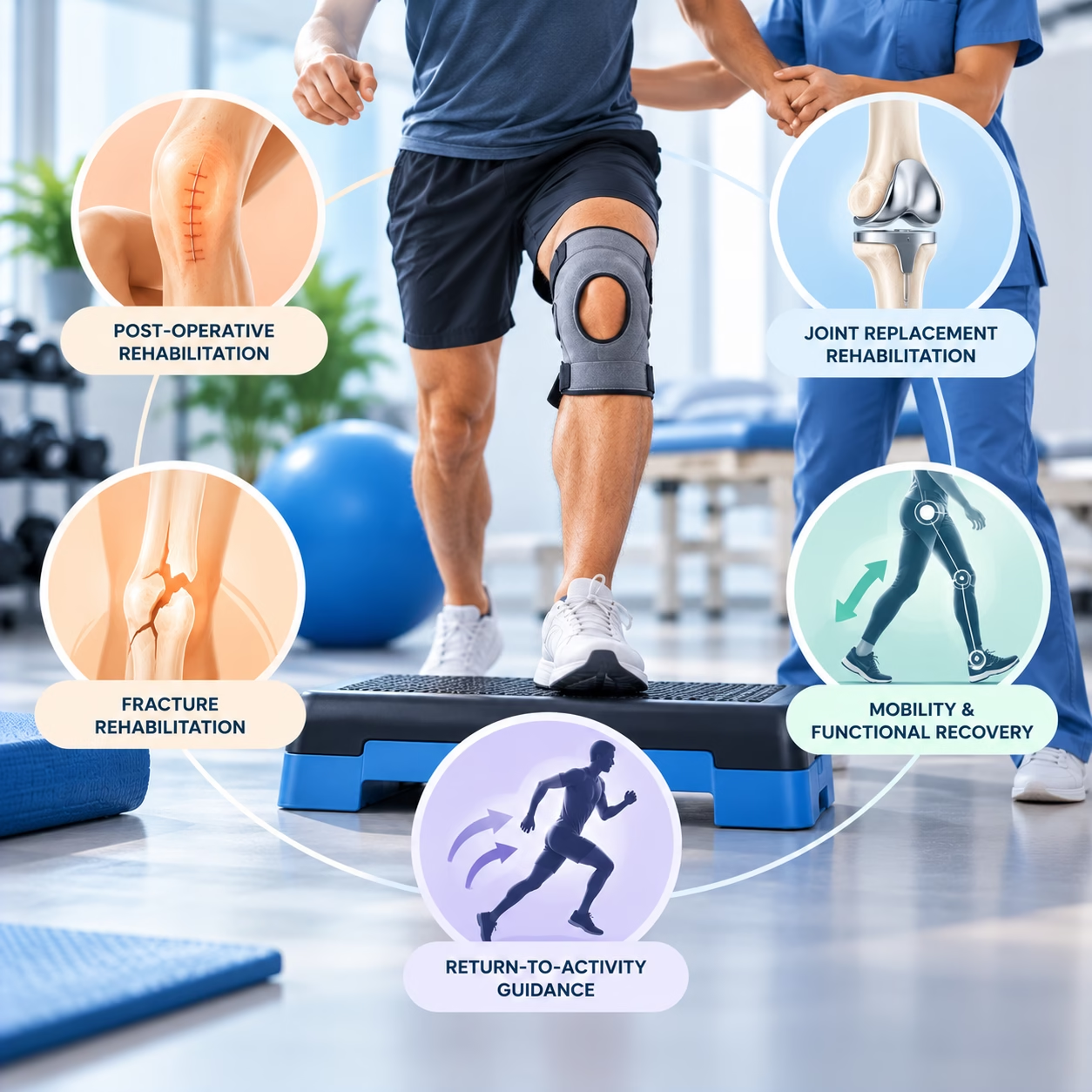
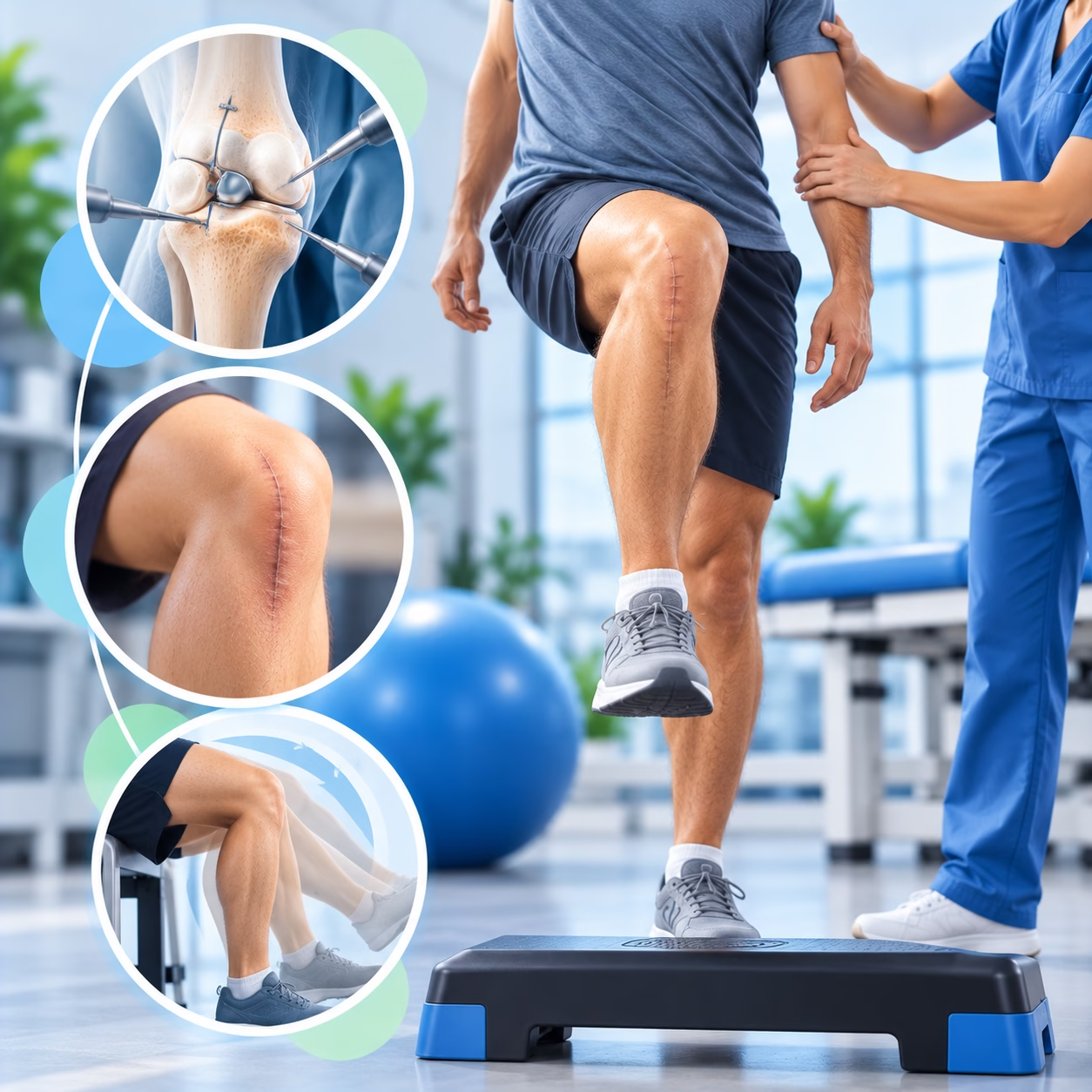
Post-operative Rehabilitation
Post-operative Rehabilitation
What it is
A closely monitored therapy protocol that begins immediately after surgery, such as ACL reconstruction or rotator cuff repair, to protect the surgical site while initiating movement.
What we assess
Pain levels, swelling, initial range of motion, and ensuring that any weight-bearing or movement restrictions set by the surgeon are strictly adhered to.
What to expect
Gentle passive mobilization transitioning slowly to active exercises over weeks. Your physical therapist will communicate directly with your surgeon to guide you safely through each phase of healing.
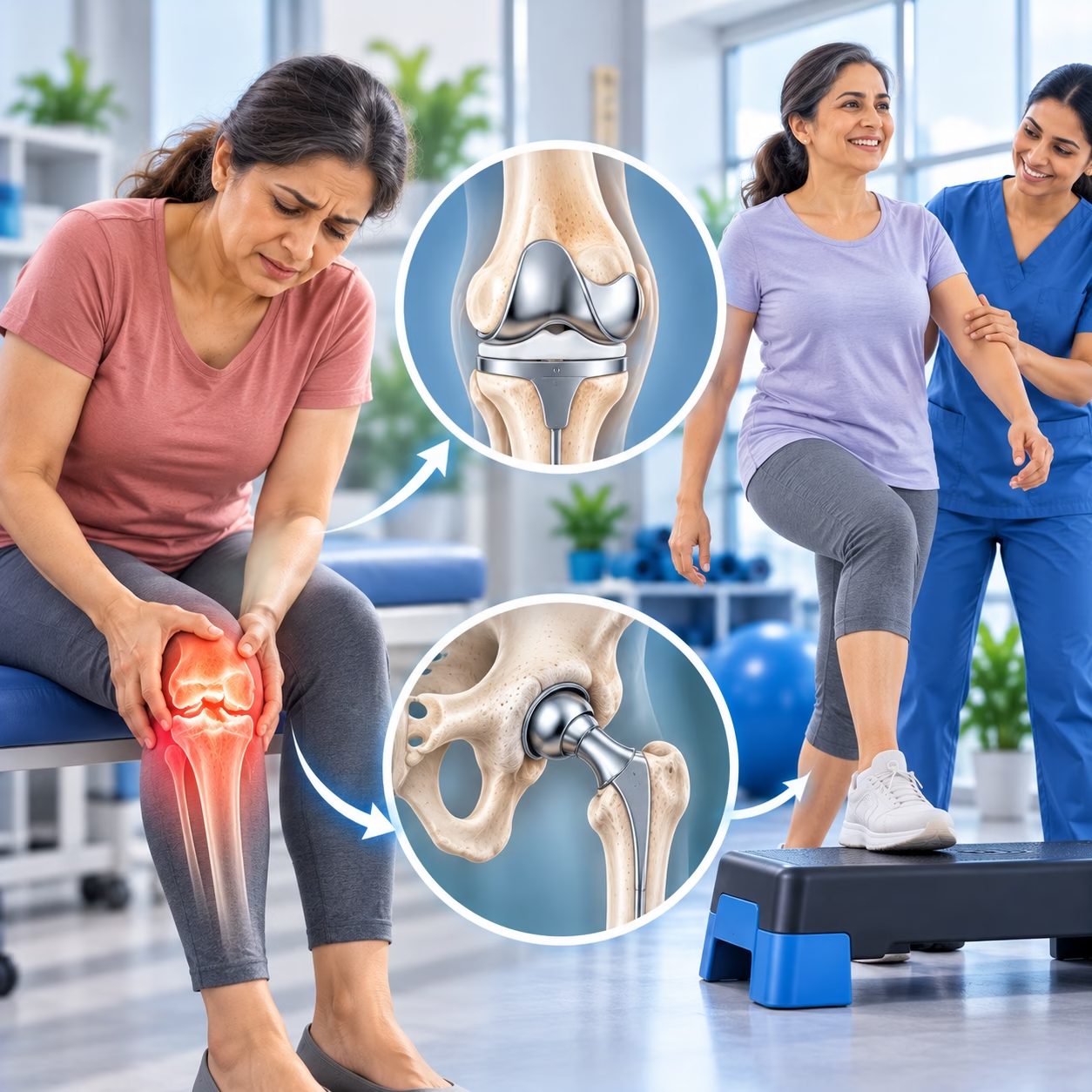
Joint Replacement Rehabilitation
What it is
Specialized physical therapy following hip or knee replacement surgeries. It aims to rapidly restore mobility and integrate the new joint mechanics into your daily life.
What we assess
Gait (walking pattern), joint stiffness, muscular strength around the new joint, and functional independence such as stair climbing.
What to expect
Early mobilization within the first 24 hours, followed by progressive gait training using assistive devices (walkers, canes) until you can walk confidently and safely unaided.
02
Joint Replacement Recovery
03
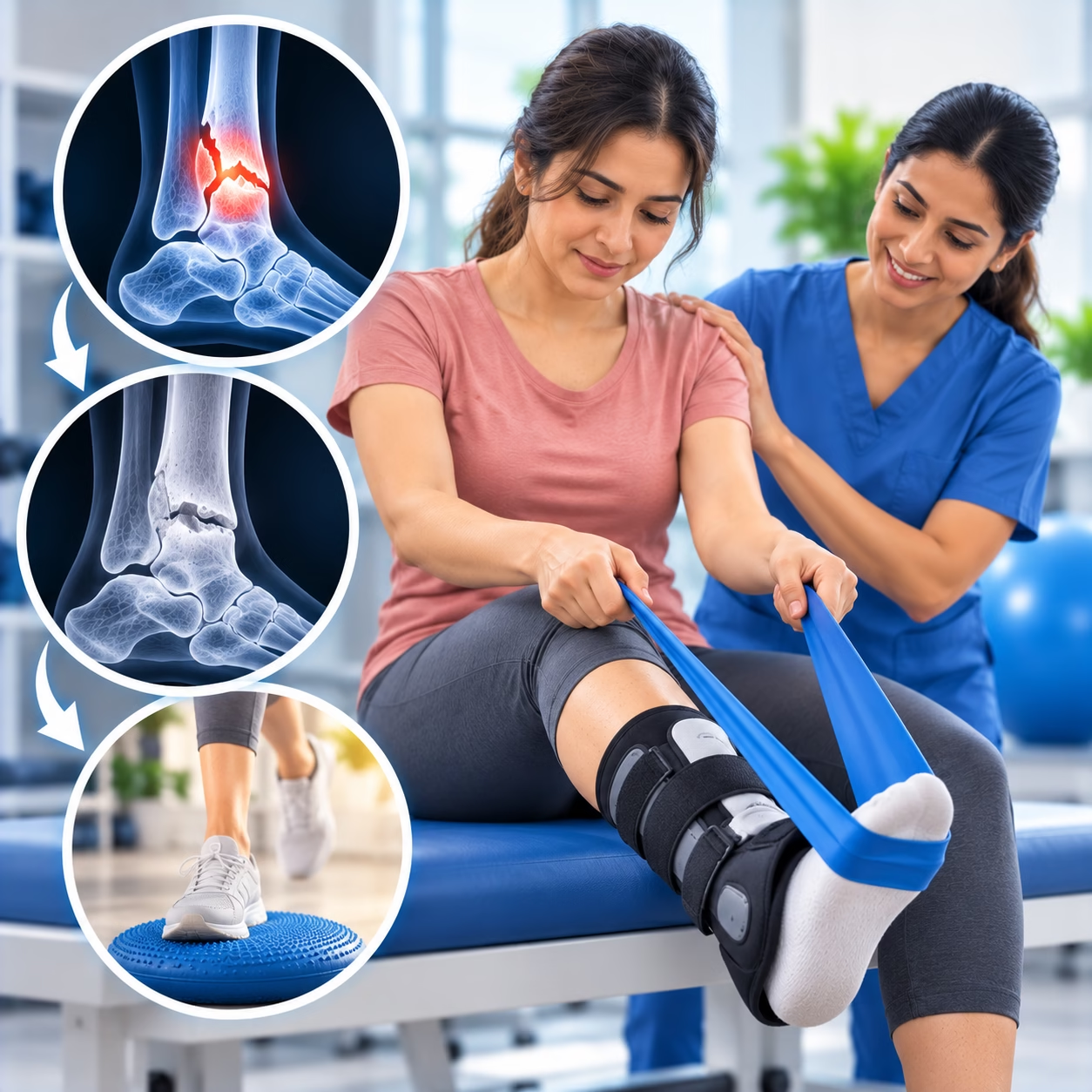
Fracture Rehabilitation
Fracture Rehabilitation
What it is
Therapy aimed at restoring joint mobility and muscle strength after a prolonged period of immobilization in a cast, splint, or following surgical fixation.
What we assess
Muscle atrophy (wasting), joint stiffness, swelling, and the status of bone healing via X-rays to determine how much stress the limb can safely handle.
What to expect
A combination of manual therapy to break down scar tissue and stiffness, combined with targeted strengthening exercises to rebuild the muscles that support the healing bone.
Mobility & Functional Recovery
What it is
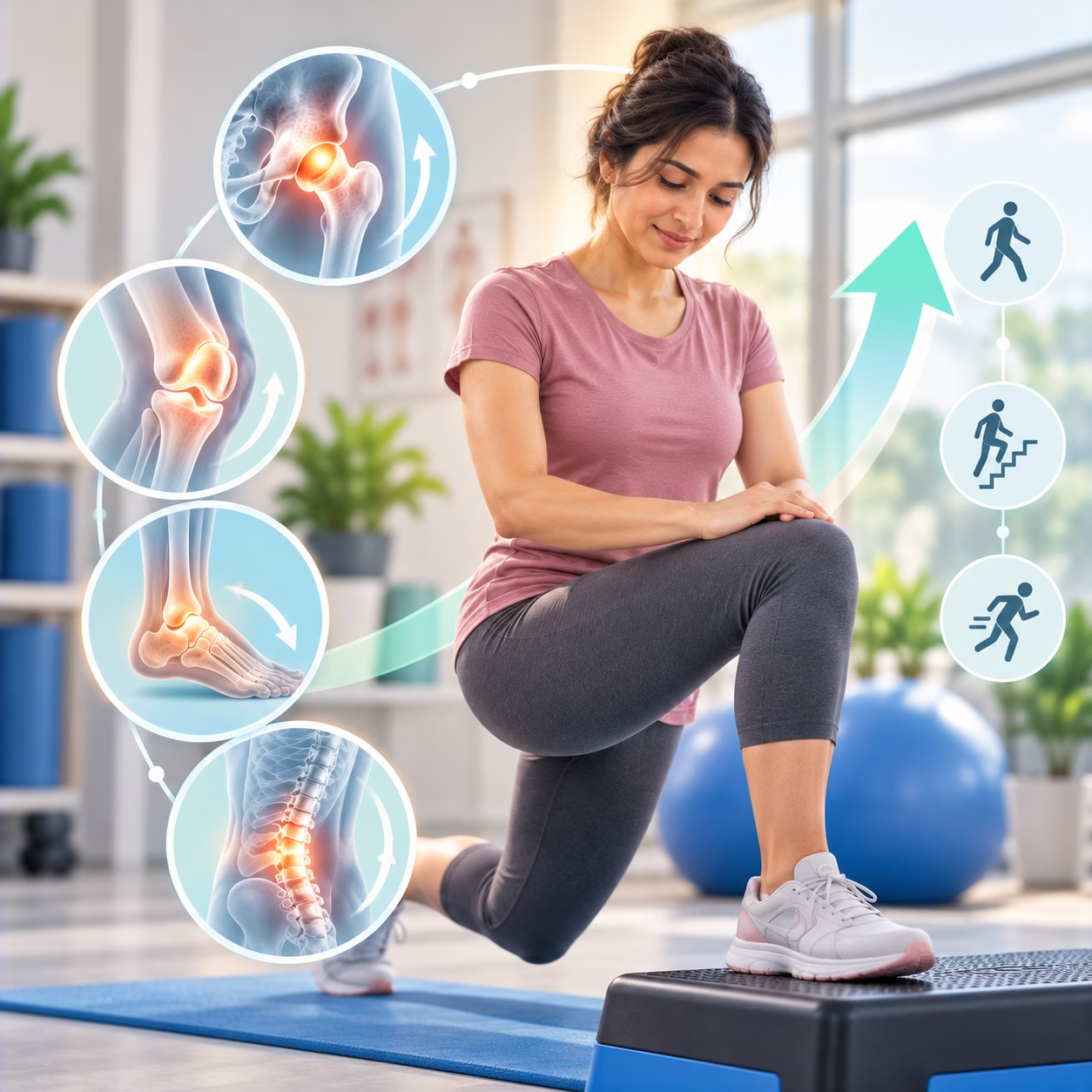
Conditioning programs designed for patients managing chronic conditions like arthritis or back pain, focusing on improving activities of daily living (ADLs).
What we assess
Core stability, balance, postural alignment, and identifying specific movements that trigger pain in your day-to-day life.
What to expect
Ergonomic advice, balance training, and low-impact strengthening exercises to reduce joint load and improve your overall functional capacity without pain.
04
Mobility & Function
05
Return-to-Activity Guidance

Return-to-Activity Guidance
What it is
Advanced, sports-specific or work-specific conditioning designed to bridge the final gap between basic recovery and high-demand physical activity.
What we assess
Dynamic joint stability, agility, explosiveness, and ensuring you can perform complex movements without pain, hesitation, or risk of re-injury.
What to expect
Plyometrics, functional testing, and rigorous work-hardening drills tailored to the exact physical demands of your sport or profession, culminating in final medical clearance.
THE PATH TO RECOVERY
Four stages, progressive healing.
Rehabilitation works best when it is structured, consistent, and scientifically guided step-by-step.
01
Assess
Initial clinical evaluation of your strength, range of motion, and pain levels immediately post-treatment.
02
Formulate
Creating a customized, phased rehabilitation protocol tailored strictly to your surgical guidelines or injury.
03
Condition
Active physiotherapy sessions, manual therapy, and supervised exercises to safely rebuild muscle and mobility.
04
Maintain
Transitioning to independent home exercise plans and securing final clearance to return to your normal lifestyle.
WHY BRAIN & BONE
Because you deserve to be treated as a person, not a diagnosis.
Specialist-Led Consultations
Every visit begins with the specialist who treats your condition.
Personalised Treatment
Plans built around your body, your mind and your life.
Evidence-Based Care
Treatment decisions grounded in clinical judgement, not guesswork.
Confidential Mental Healthcare
A private, respectful space for every conversation.
Clear Communication
Every option explained, in language you understand.
Continuity of Care
Follow-up and recovery support, not a single visit.
MEET YOUR SPECIALIST
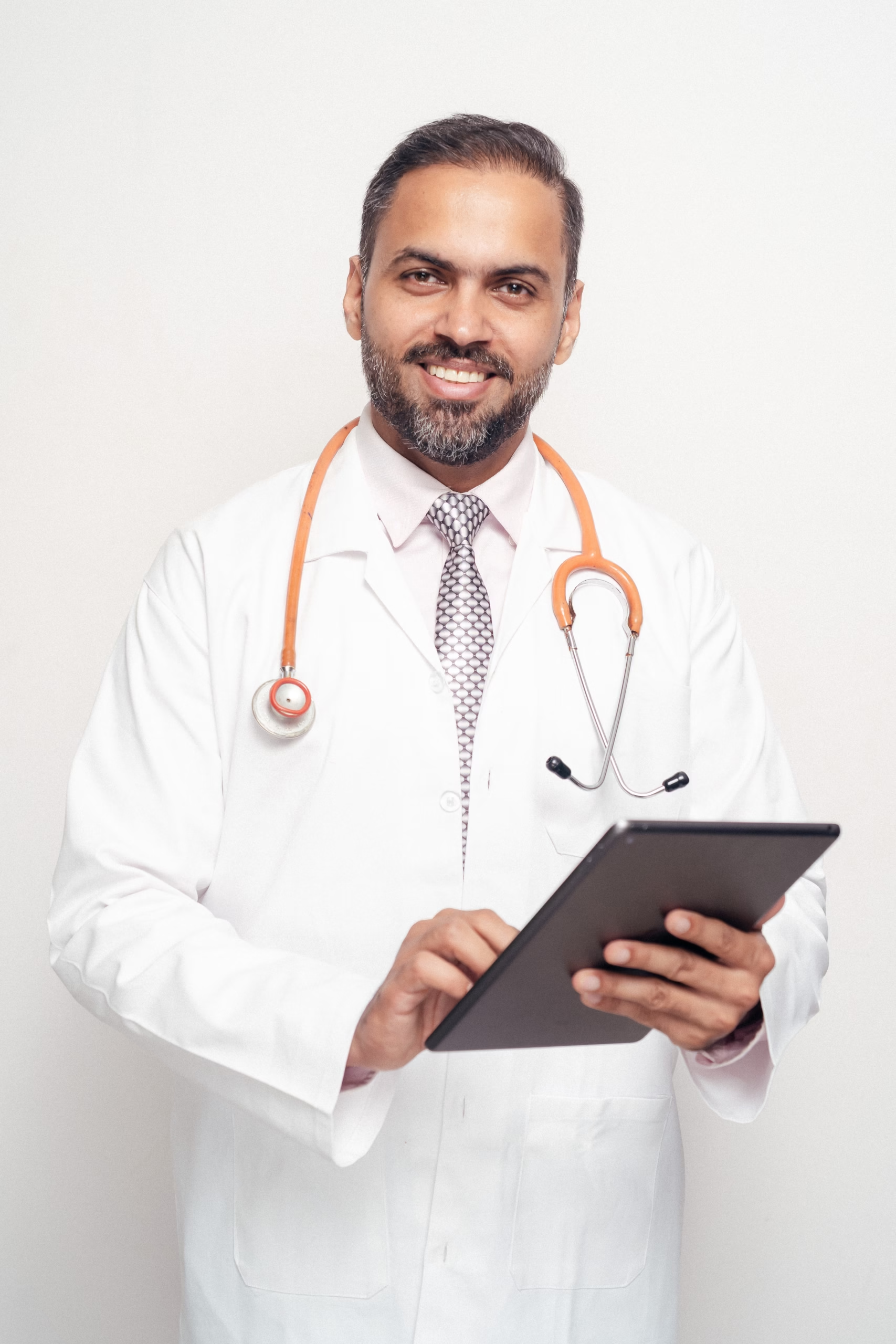
Dr. Neeraj Mishra
Orthopaedic & Robotic Joint Replacement Surgeon
ABOUT YOUR DOCTOR
Treatment that starts with understanding the person.
I am an orthopaedic and robotic joint replacement surgeon with a focus on helping patients overcome pain, regain mobility and return to an active, independent life. Orthopaedic treatment, to me, is not simply about treating a bone or a joint — it is about restoring function and helping a person get back to the life they value.
My approach begins with understanding your symptoms, lifestyle and functional limitations, followed by a thorough clinical assessment. I explain the diagnosis and the treatment options clearly, so that you can make an informed decision about your own care. Where appropriate, I prefer to explore non-surgical options first.
With more than ten years of clinical experience, my work includes joint replacement and robotic-assisted joint replacement, with an emphasis on careful planning and appropriate patient selection.
FREQUENTLY ASKED QUESTIONS
Questions about physical recovery.
When should I start rehabilitation after surgery?
Rehabilitation usually begins as early as possible. For many procedures, like joint replacements, light mobilization starts within 24 to 48 hours to prevent stiffness and improve circulation.
Is physical therapy painful?
Rehabilitation requires pushing your limits to rebuild strength and stretch tight tissues, which can cause mild discomfort. However, it should never cause sharp, intense pain. Our therapists work carefully within your pain tolerance.
How often do I need to attend rehabilitation sessions?
This depends on your specific injury or surgery. Typically, patients attend supervised sessions 2 to 3 times a week initially, which then tapers off as they become more independent and switch to a home exercise program.
Do I need rehabilitation if my fracture was treated with a cast?
Yes. While the bone was immobilized to heal, the surrounding muscles will have weakened, and the joint will likely be stiff. Physical therapy is essential to reverse these issues and restore full function.
Can I just do my rehabilitation exercises at home?
A customized home exercise program is a vital part of your recovery. However, regular supervised sessions are necessary to ensure you are performing the exercises correctly, upgrading them safely, and to receive manual therapy that you cannot do yourself.
How do I know when I am ready to return to sports?
Returning to sports requires meeting specific physical milestones. We use objective functional testing—evaluating strength, agility, and balance—to ensure you are physically ready before you get final medical clearance from your surgeon.
What Our Patients Think
We are committed to improving the health of our patients and their feedback matters the most to us.


Wherever you’re starting from, we’re here to help you move forward.
Whether you are dealing with pain, recovering from an injury, navigating a difficult phase of life, or simply looking for someone to talk to — the first step is reaching out.