
Book Appointment Now

Orthopaedic Surgical Care
Surgery is a significant step, taken only when conservative measures are no longer effective. At Brain & Bone in Ghatkopar, our orthopaedic surgical care encompasses trauma, sports injuries, and complex bone and joint disorders. From fracture fixation to arthroscopy, we plan each procedure meticulously around your specific injury and your life. This page sets out how we assess, plan, and perform orthopaedic surgeries to restore your stability and function.
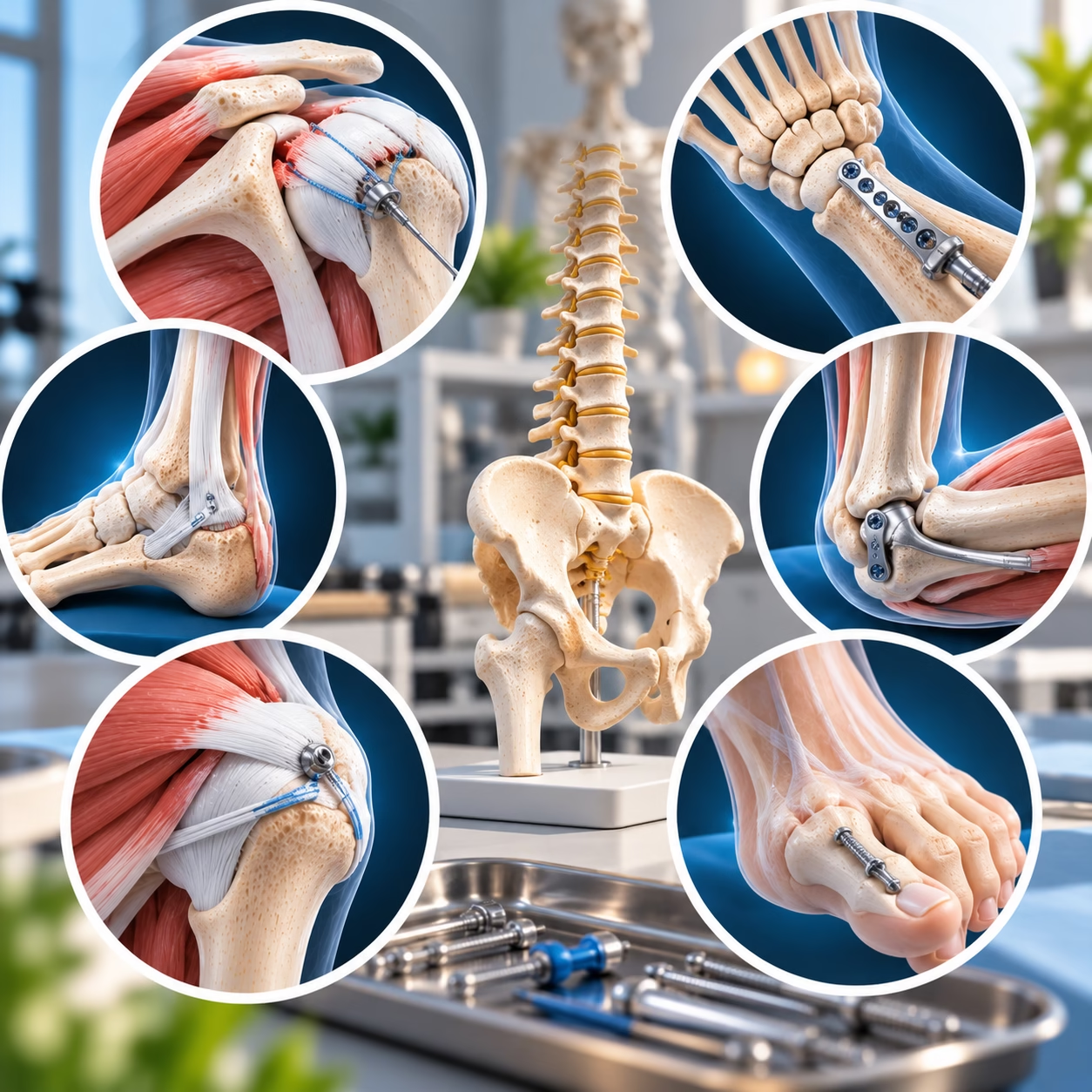
OVERVIEW
Precision in the operating room, dedicated care in recovery.
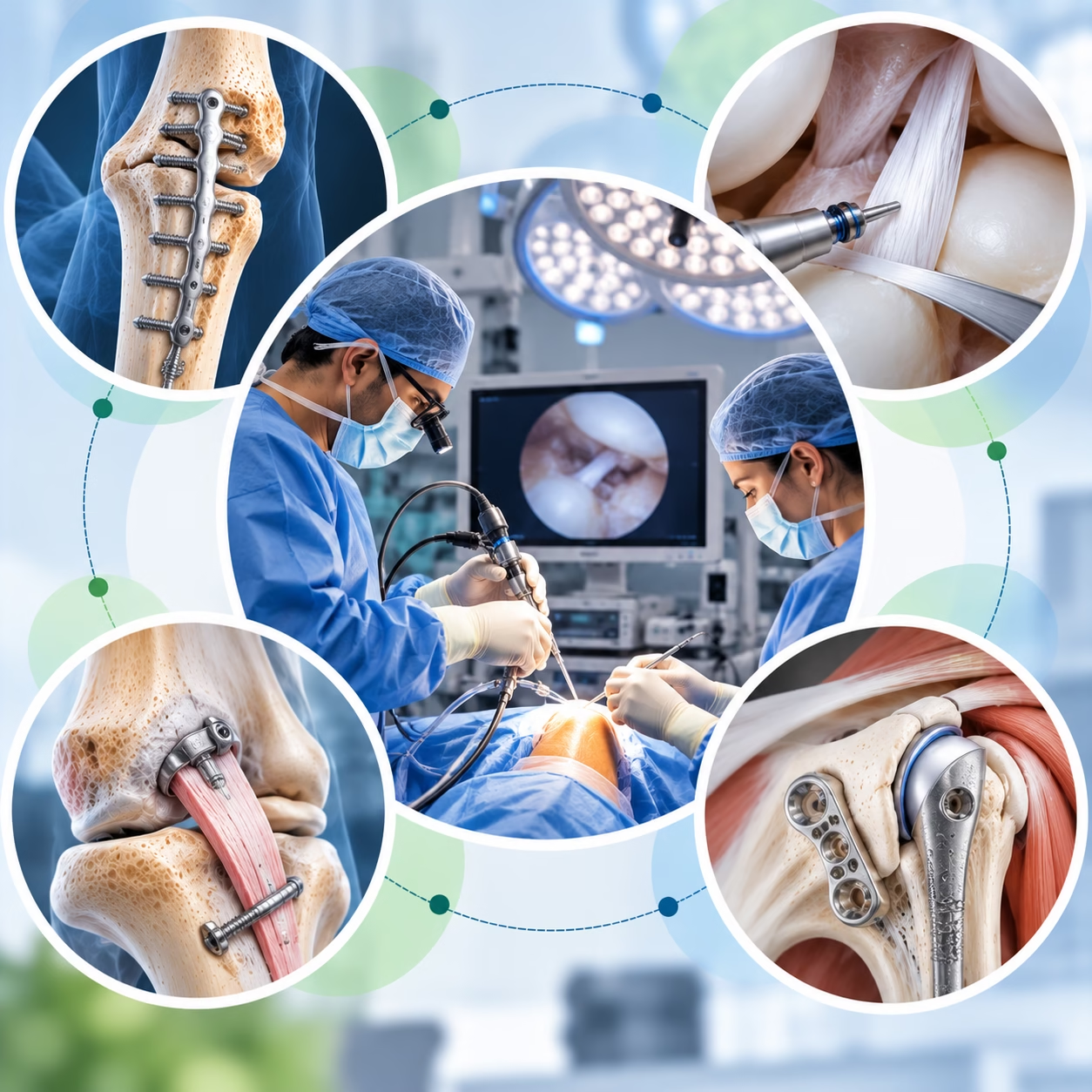
Orthopaedic surgery addresses mechanical problems with the musculoskeletal system. Whether fixing a broken bone or repairing a torn ligament, the goal is structural stability and functional restoration. At Brain & Bone, we focus on finding the appropriate treatment for the individual, prioritizing non-surgical options where appropriate, and utilizing advanced technology when surgery is required[cite: 2].
The decision for surgery involves a thorough assessment of your symptoms, imaging results, and lifestyle goals. If you are experiencing acute trauma or chronic pain that isn’t resolving, our orthopaedic consultation is the right starting point. For independent background reading on various orthopaedic procedures, the AAOS OrthoInfo portal is an excellent patient resource.
WHAT WE TREAT
Our core surgical procedures.
From stabilizing acute fractures to repairing torn ligaments, we ensure every intervention is planned around restoring your mobility and strength.
01
Fracture Fixation
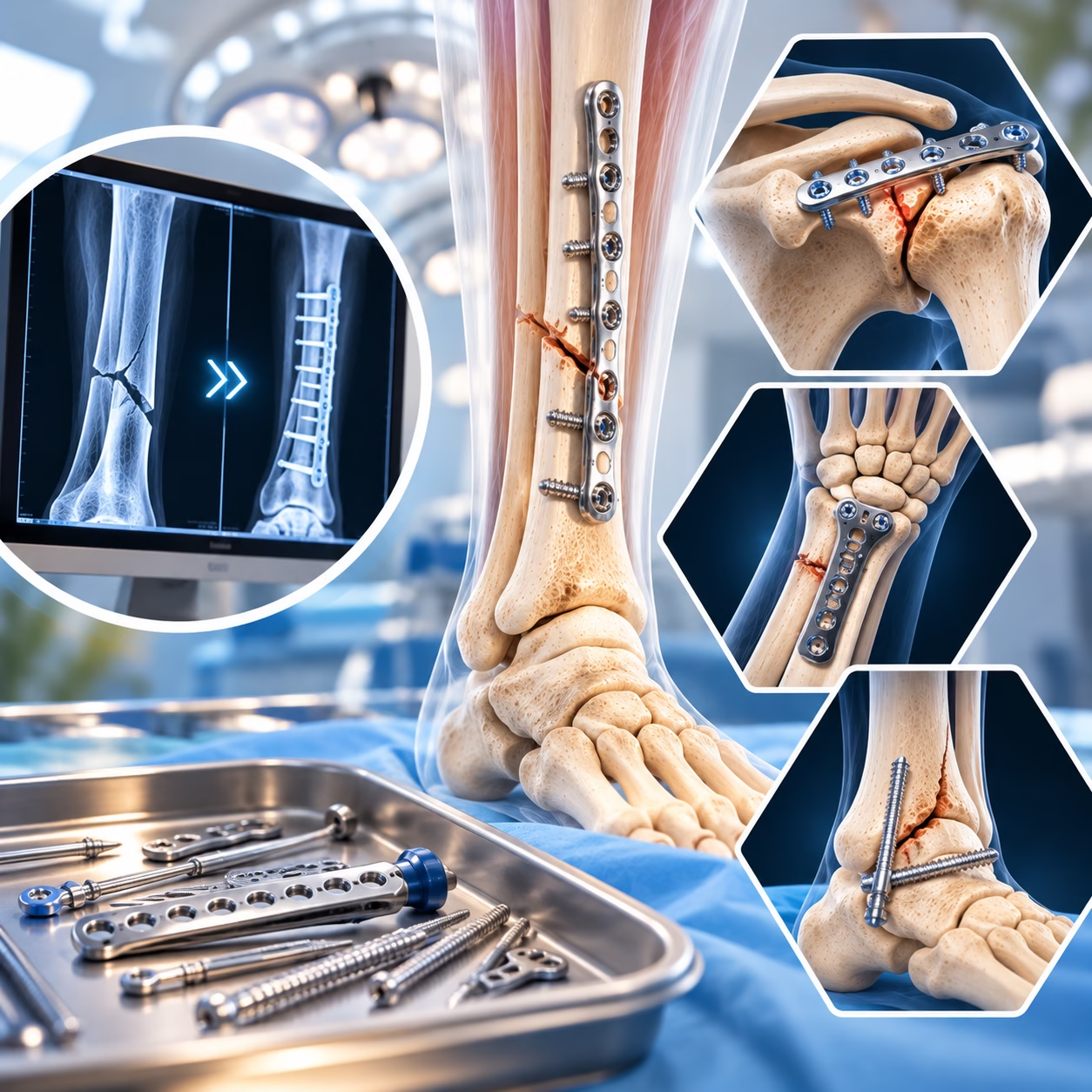
Fracture Fixation
What it is
Surgical stabilization of broken bones using plates, screws, wires, or intramedullary nails. It is performed when a fracture is displaced, unstable, or involves a joint surface, and cannot be adequately treated with a plaster cast alone.
What we assess
The type and displacement of the fracture via digital X-rays, the condition of the surrounding soft tissues, and patient factors to determine whether surgical fixation will provide a superior functional outcome compared to conservative care.
What to expect
Admission to the hospital, surgical realignment, and secure fixation of the bone fragments. This is followed by wound care, pain management, and a guided rehabilitation plan to ensure optimal healing and restoration of movement.
Arthroscopic Procedures
What it is
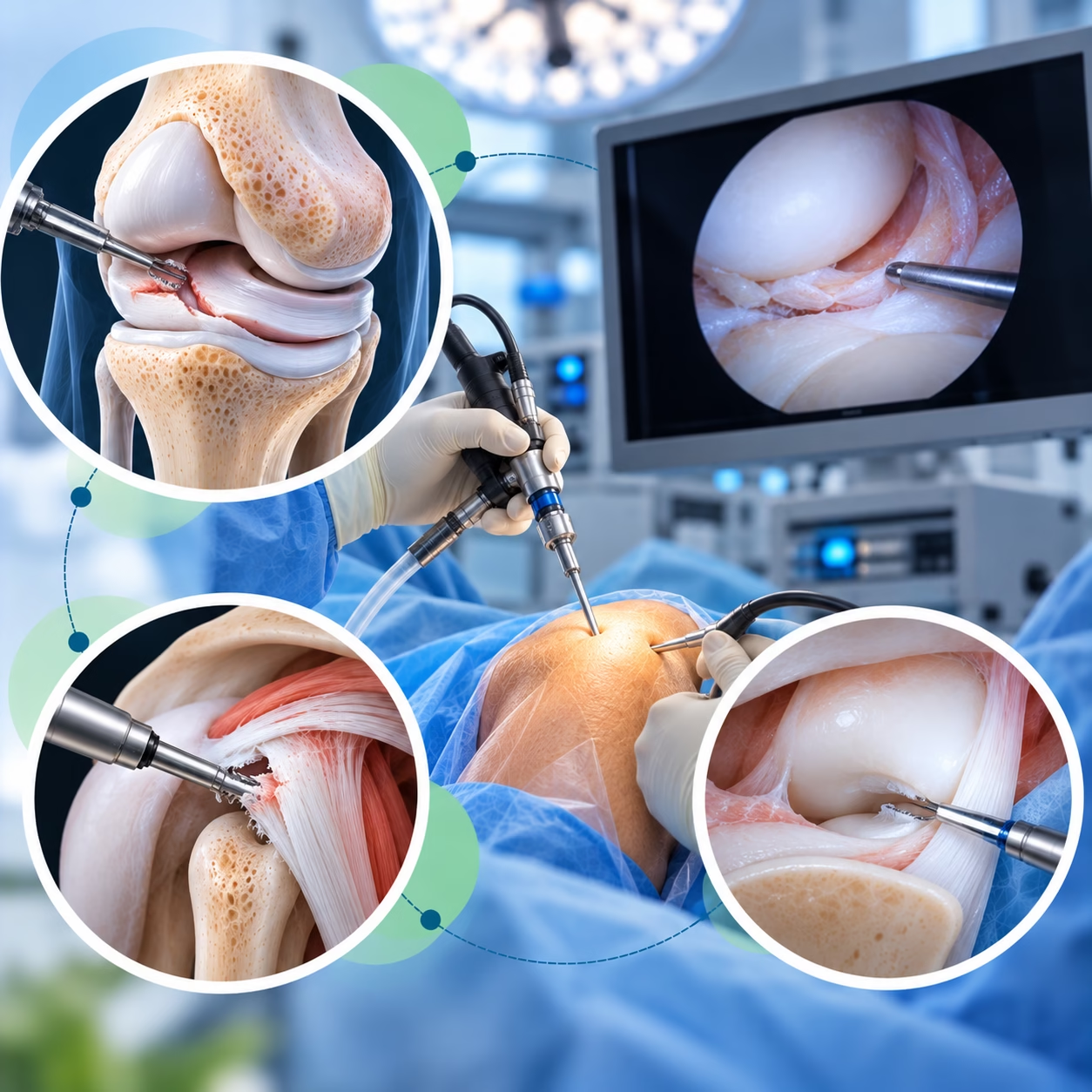
Minimally invasive ‘keyhole’ surgery using a tiny camera and instruments to diagnose and treat joint problems. It is commonly used for meniscal tears, cartilage damage, or addressing issues within the knee and shoulder joints.
What we assess
Unexplained joint pain, swelling, a feeling of the joint locking or giving way, and structural damage confirmed by MRI scans that hasn’t responded to rest or physiotherapy.
What to expect
Arthroscopy is often performed as a day-care procedure. Because the incisions are small, patients typically experience less pain and a faster recovery compared to traditional open surgery, followed by targeted physiotherapy.
02
Arthroscopic Procedures
03
Ligament & Tendon
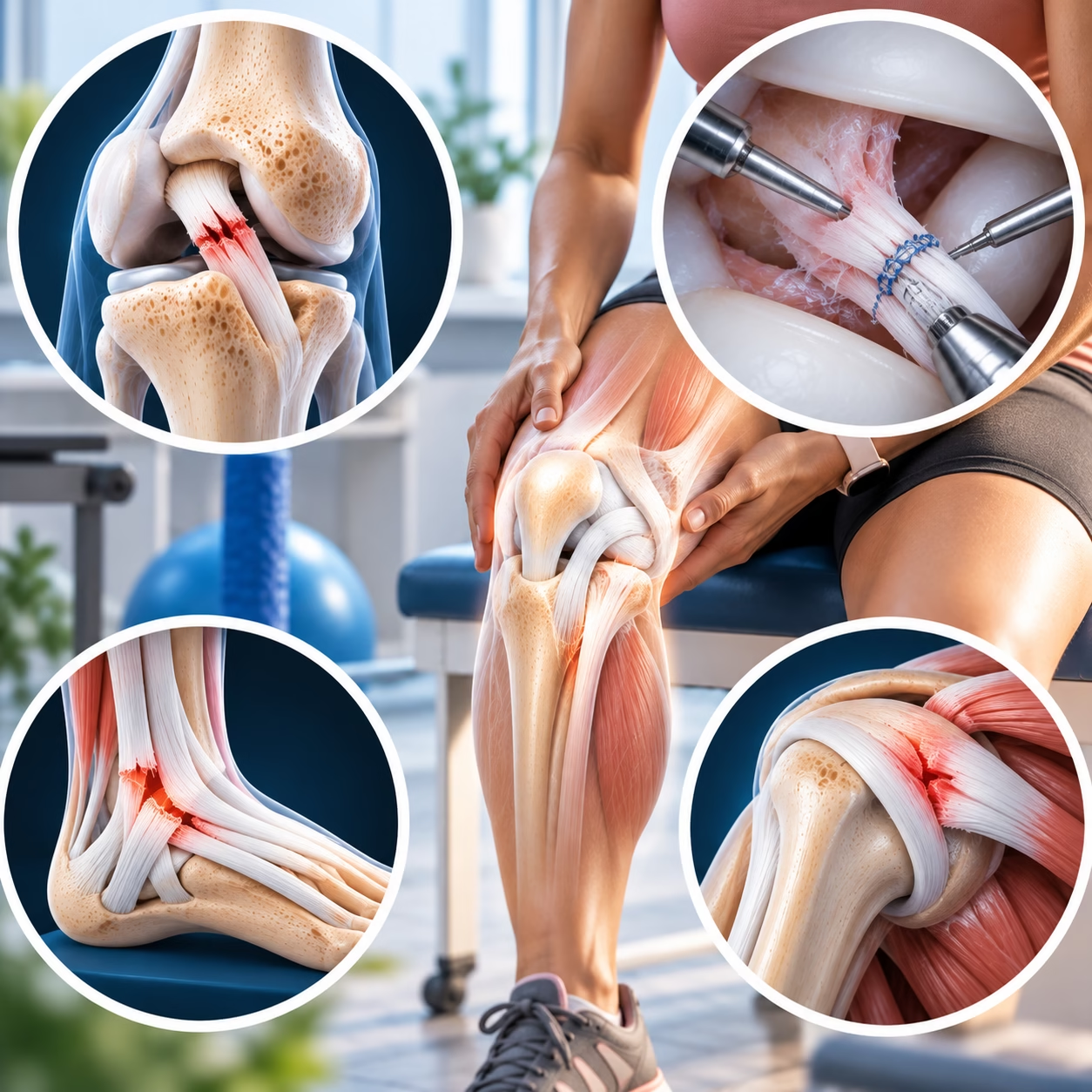
Ligament & Tendon Procedures
What it is
Surgical repair or reconstruction of torn ligaments (such as the ACL) or ruptured tendons (like the Achilles or rotator cuff) to restore proper joint stability, mechanical strength, and function.
What we assess
A clear history of injury (often sports-related), clinical signs of joint instability or weakness, and detailed MRI imaging to confirm the extent of the tear and muscle condition.
What to expect
Depending on the injury, the procedure may involve reconstruction using tissue grafts or a direct repair utilizing specialized anchors. Post-operative care requires a strict, phased rehabilitation protocol lasting several months.
Other Orthopaedic Procedures
What it is
A range of targeted interventions, including hardware removal from previous surgeries, nerve releases (such as carpal tunnel surgery), and the excision of benign lumps or cysts.
What we assess
Chronic localized pain, persistent nerve compression symptoms (like tingling or numbness), or irritation caused by internal hardware that warrants a minor surgical solution.
What to expect
These are often straightforward day-case procedures focused on relieving specific, localized problems, allowing for a rapid return to normal daily activities.
04
Other Procedures
THE PATH THROUGH SURGERY
Four stages, one plan.
The same sequence applies whether the operation is an acute fracture fixation or an elective arthroscopy. Meticulous planning shapes your care.
01
Evaluate
History, examination, and diagnostics establish the extent of the damage and whether surgery is the appropriate path forward.
02
Plan
Surgical technique, hardware selection, and post-operative recovery timelines are mapped out and clearly explained to you.
03
Operate
Precision surgery focused on mechanical stability and soft-tissue preservation, carried out in a safe and supportive environment.
04
Recover
Dedicated physiotherapy and clinical follow-up until strength is rebuilt and your targeted function is fully restored.
WHY BRAIN & BONE
Because you deserve to be treated as a person, not a diagnosis.
Specialist-Led Consultations
Every visit begins with the specialist who treats your condition.
Personalised Treatment
Plans built around your body, your mind and your life.
Evidence-Based Care
Treatment decisions grounded in clinical judgement, not guesswork.
Confidential Mental Healthcare
A private, respectful space for every conversation.
Clear Communication
Every option explained, in language you understand.
Continuity of Care
Follow-up and recovery support, not a single visit.
MEET YOUR SPECIALIST
Dr. Neeraj Mishra
Orthopaedic & Robotic Joint Replacement Surgeon

ABOUT YOUR DOCTOR
Treatment that starts with understanding the person.
I am an orthopaedic and robotic joint replacement surgeon with a focus on helping patients overcome pain, regain mobility and return to an active, independent life. Orthopaedic treatment, to me, is not simply about treating a bone or a joint — it is about restoring function and helping a person get back to the life they value.
My approach begins with understanding your symptoms, lifestyle and functional limitations, followed by a thorough clinical assessment. I explain the diagnosis and the treatment options clearly, so that you can make an informed decision about your own care. Where appropriate, I prefer to explore non-surgical options first.
With more than ten years of clinical experience, my work includes joint replacement and robotic-assisted joint replacement, with an emphasis on careful planning and appropriate patient selection.
FREQUENTLY ASKED QUESTIONS
Questions patients ask before booking.
When is orthopaedic surgery the right choice?
When joint, bone, or ligament problems limit daily activities, and non-surgical treatments have been given a fair trial without relief, or in cases of acute trauma like displaced fractures.
What is arthroscopic surgery?
Arthroscopy is a minimally invasive procedure using a small camera and instruments inserted through tiny incisions. It is commonly used for diagnosing and treating knee and shoulder joint issues with faster recovery times.
Do all fractures require surgery?
No. Many fractures can be treated conservatively with plaster casts, splints, or braces. Surgery (fracture fixation) is required when the bone fragments are significantly displaced, unstable, or involve the joint surface.
How long does it take to recover from ligament surgery?
Recovery varies depending on the specific ligament (e.g., ACL) and the patient’s lifestyle. While initial healing takes a few weeks, returning to sports or heavy physical activity typically requires several months of dedicated physiotherapy.
Will I need physiotherapy after my operation?
Yes. Post-operative physiotherapy is crucial for orthopaedic surgeries. It helps restore range of motion, rebuild strength, and ensures you regain maximum function of the operated limb or joint.
How do I prepare for orthopaedic surgery?
Preparation involves a pre-anaesthesia check-up, reviewing your current medications, arranging for help at home post-surgery, and following specific fasting guidelines provided by our surgical team.
What Our Patients Think
We are committed to improving the health of our patients and their feedback matters the most to us.


Wherever you’re starting from, we’re here to help you move forward.
Whether you are dealing with pain, recovering from an injury, navigating a difficult phase of life, or simply looking for someone to talk to — the first step is reaching out.