
Book Appointment Now
Orthopaedic Consultation & Joint Care
Bone and joint pain rarely stays in one place. It changes how you walk, sleep & work, and often how you feel. This is the starting point for most orthopaedic care at Brain & Bone: a careful consultation that works out what is causing the pain, what it is doing to your daily life, and what the right next step is.

OVERVIEW
A consultation built around the person, not the scan.
An orthopaedic consultation is not simply an X-ray and a prescription. It begins with your history — when the pain started, what makes it worse, what it has stopped you doing — and continues with an examination of the joint or region. Where imaging is needed, it is ordered to answer a specific question rather than to fill a file.
From there, the options are set out plainly. Many conditions improve with activity modification, physiotherapy, medication or a targeted injection. Some need surgery. Most need a combination, and the plan is reviewed as you improve rather than decided once and left.
WHAT WE TREAT
Eight reasons people come to us for joint care.
Each area below is part of the same consultation service — you do not need to know which one applies to you before you book.
01
Bones & Joints

Bone & Joint Pain
What it is
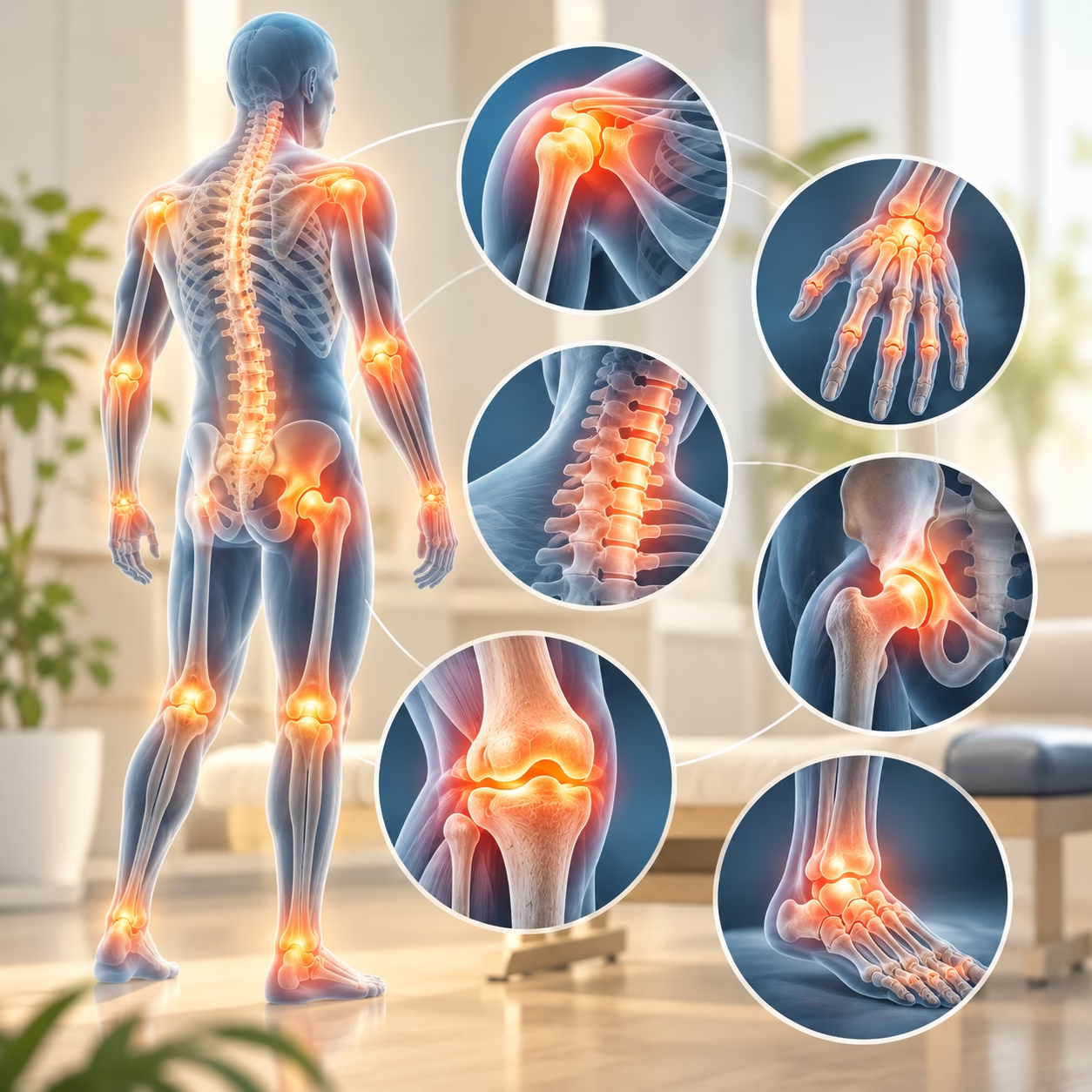
Persistent pain in a joint, or in the bones around it, is one of the most common reasons people come to an orthopaedic clinic. It may be a dull ache that has built up over months, a sharp pain on particular movements, or stiffness that eases with activity and returns with rest. Pain is a signal, not a diagnosis — the first visit is about working out what it is telling us.
What we assess
Knee, hip, shoulder, elbow, wrist, ankle and foot pain; joint stiffness; swelling; grinding or clicking; pain that limits walking, climbing stairs or sleep; and pain that has not settled with rest, medication or physiotherapy.
What to expect
A clinical assessment that begins with your history — when the pain started, what makes it better or worse, and how it affects your day. Examination of the joint follows, and imaging is advised only where it will change the decision. You leave with an explanation of what is likely going on, and a clear first step.
Arthritis Management
What it is
Arthritis describes inflammation or wear within a joint. Osteoarthritis is the gradual thinning of cartilage that comes with age and use; rheumatoid and other inflammatory arthritides behave differently and need a different approach. The two are often spoken of together, but they are not the same condition and they are not treated the same way.
What we assess
Morning stiffness, joint swelling and warmth, pain that varies with weather or activity, reduced range of movement, and arthritis affecting more than one joint. Where an inflammatory pattern is suspected, care is coordinated with rheumatology.
What to expect
An assessment of which joints are involved and how the disease is affecting function. Treatment is staged — activity and weight management, physiotherapy, medication where appropriate, injections for selected cases, and surgery only when conservative measures no longer hold. The plan is reviewed rather than fixed.
02
Arthritis & Pains
03
Knees & Hips

Knee & Hip Disorders
What it is
The knee and hip carry most of the body’s weight and do most of its moving, so they are where degenerative change, injury and mechanical problems most often show up. Not every bad X-ray needs an operation, and not every painful knee is arthritic — the distinction matters.
What we assess
Knee: anterior knee pain, meniscal and ligament injuries, patellar tracking problems, osteoarthritis and post-injury stiffness. Hip: groin and buttock pain, labral problems, avascular necrosis, hip dysplasia and arthritis. Both: clicking, giving way, night pain and loss of walking distance.
What to expect
A focused examination with targeted imaging — usually a weight-bearing X-ray, and an MRI only where soft-tissue injury is suspected. You are told plainly whether the problem is structural, inflammatory or mechanical, and what each treatment option would and would not achieve.
Shoulder, Elbow, Foot & Ankle Problems
What it is
The smaller joints do a disproportionate share of daily work. A painful shoulder limits dressing and sleep; an elbow problem limits lifting; a foot or ankle problem limits every step. These areas are often treated late because the pain is assumed to be muscular and temporary.
What we assess
Shoulder: rotator cuff pain and tears, frozen shoulder, impingement, instability and acromioclavicular pain. Elbow: tennis and golfer’s elbow, bursitis and nerve compression. Foot and ankle: plantar fasciitis, heel pain, Achilles problems, ankle sprains, flat foot and forefoot pain.
What to expect
A region-specific examination, often with ultrasound or X-ray where indicated. Most of these conditions improve with a structured non-surgical programme — activity modification, physiotherapy and targeted injections. Surgery is considered when that programme has been given a fair trial and has not worked.
04
Shoulders, Elbows and Other Areas

05
Musculoskeletal Issues
Neck & Back Musculoskeletal Problems
What it is
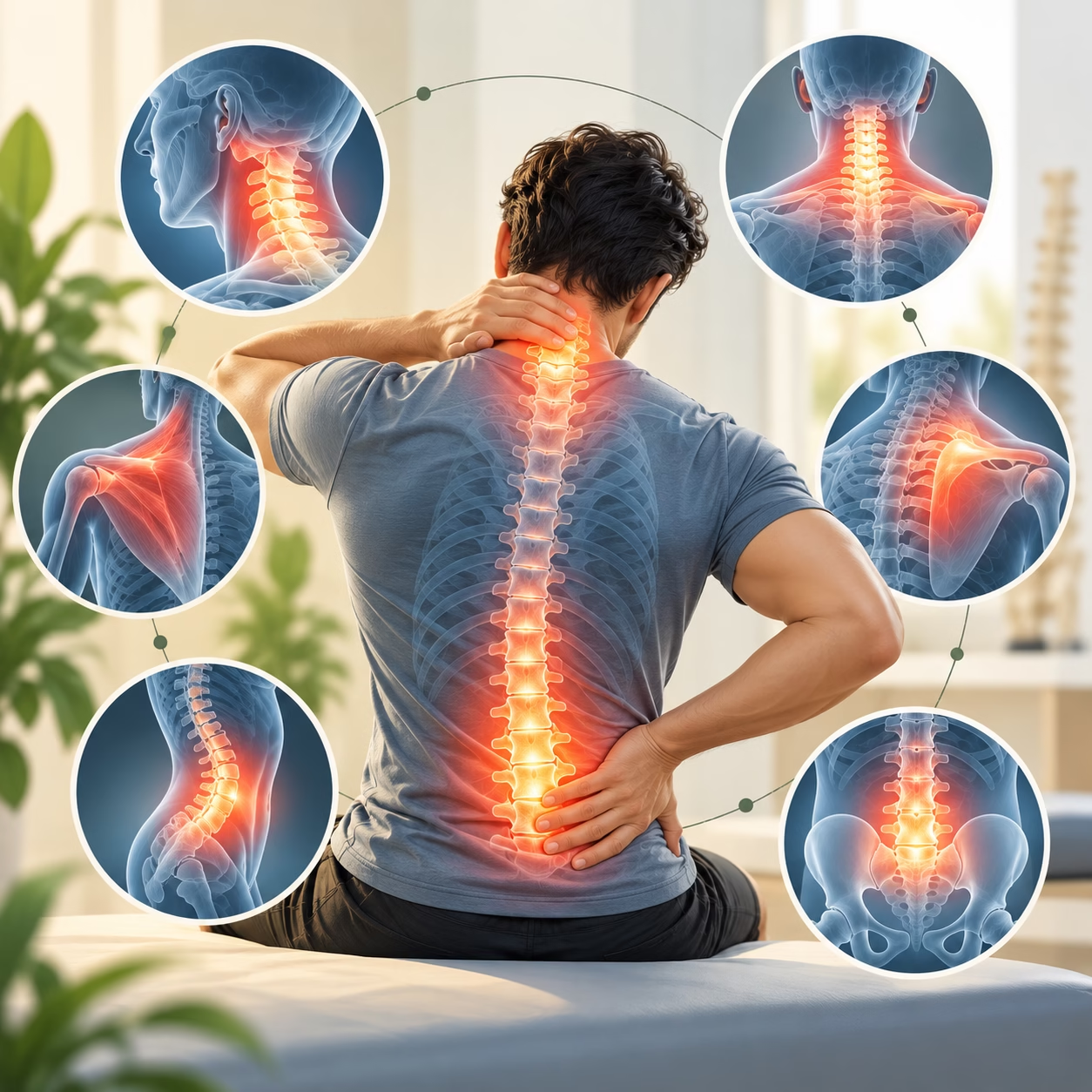
Most neck and back pain is musculoskeletal — it comes from muscles, ligaments, discs and joints rather than from the spine’s structure being permanently damaged. A small proportion has a specific cause that needs identifying. The consultation is about separating the two without over-investigating.
What we assess
Mechanical neck and back pain, pain radiating into the arm or leg, restricted neck movement, postural and work-related pain, and pain following an injury. Red-flag symptoms — progressive weakness, loss of bladder or bowel control, unexplained weight loss or fever — are screened for at every visit.
What to expect
A history and neurological examination first. Imaging is used selectively, because many scans show changes that are common and not the cause of the pain. Treatment is usually conservative: activity, physiotherapy, medication and time. Surgical referral is reserved for specific indications.
Sports & Musculoskeletal Injuries
What it is
Sports injuries range from a sprain that settles in a week to a ligament rupture that changes a season or a career. The same injury means different things to a professional athlete, a weekend player and someone whose sport is walking to work. Treatment follows the person, not only the scan.
What we assess
Ligament sprains and tears, meniscal injuries, muscle strains, tendinopathy, overuse injuries, stress fractures and return-to-sport assessment. We also see non-sporting musculoskeletal injuries — falls, twists and lifting injuries.
What to expect
An assessment of the injury, the mechanics behind it and your goals. Most injuries are managed with a structured rehabilitation plan and a graded return to activity. Where surgery is needed, the decision is made with the recovery timeline in view, not in isolation.
06
Musculoskeletal Issues

07
Osteoporosis

Osteoporosis & Bone Health
What it is
Bone loses density silently with age, and often the first sign is a fracture from a fall that should not have broken anything. Osteoporosis is common, treatable and under-diagnosed — particularly in post-menopausal women and in men over sixty.
What we assess
Fragility fractures, height loss, a family history of hip fracture, long-term steroid use, and bone health around menopause or after prolonged immobility. Bone health is also reviewed in patients preparing for joint replacement.
What to expect
A fracture-risk assessment, with a DEXA scan where indicated. Management combines calcium and vitamin D where needed, weight-bearing exercise, fall prevention, and anti-resorptive medication in patients at meaningful risk. Bone health is followed over time rather than assessed once.
Second Opinions & Surgical Consultations
What it is
A second opinion is not a sign of doubt in your surgeon — it is a normal part of making a serious decision. Joint replacement and spine surgery are irreversible choices, and it is reasonable to hear another view before committing to one.
What we assess
Patients who have been advised surgery and want to confirm it is appropriate; patients unsure whether the timing is right; patients with ongoing pain after an operation; and patients who want a non-surgical option reviewed before deciding.
What to expect
A full review of your history, examination findings and imaging, followed by a plain explanation of what the proposed operation would achieve, what it would not, and what the alternatives are. If the original recommendation is right, we will say so. If it is not, we will explain why.
08
Consultations

WHY BRAIN & BONE
Because you deserve to be treated as a person, not a diagnosis.
Specialist-Led Consultations
Every visit begins with the specialist who treats your condition.
Personalised Treatment
Plans built around your body, your mind and your life.
Evidence-Based Care
Treatment decisions grounded in clinical judgement, not guesswork.
Confidential Mental Healthcare
A private, respectful space for every conversation.
Clear Communication
Every option explained, in language you understand.
Continuity of Care
Follow-up and recovery support, not a single visit.
MEET YOUR SPECIALIST
Dr. Neeraj Mishra
Orthopaedic & Robotic Joint Replacement Surgeon

ABOUT YOUR DOCTOR
Treatment that starts with understanding the person.
I am an orthopaedic and robotic joint replacement surgeon with a focus on helping patients overcome pain, regain mobility and return to an active, independent life. Orthopaedic treatment, to me, is not simply about treating a bone or a joint — it is about restoring function and helping a person get back to the life they value.
My approach begins with understanding your symptoms, lifestyle and functional limitations, followed by a thorough clinical assessment. I explain the diagnosis and the treatment options clearly, so that you can make an informed decision about your own care. Where appropriate, I prefer to explore non-surgical options first.
With more than ten years of clinical experience, my work includes joint replacement and robotic-assisted joint replacement, with an emphasis on careful planning and appropriate patient selection.
FREQUENTLY ASKED QUESTIONS
Questions patients ask before booking.
How do I book an appointment?
You can call the clinic on +91 93247 74165 or use the contact page to request a consultation. Appointments are available for both new consultations and follow-up visits.
Will I need an X-ray at the first visit?
Only if it is likely to change the diagnosis or the treatment plan. Many musculoskeletal problems can be assessed clinically, and imaging is ordered selectively rather than routinely.
Is surgery always recommended for joint pain?
No. Most joint pain improves with non-surgical treatment — activity modification, physiotherapy, medication and, in selected cases, injections. Surgery is considered when those measures have been given a fair trial and the symptoms still limit your daily life.
Can I take a second opinion before joint replacement?
Yes, and it is a reasonable thing to do. A second opinion consultation reviews your history, examination and imaging, and gives you an independent view of whether surgery is appropriate and whether the timing is right.
What is robotic-assisted joint replacement?
It is joint replacement performed with robotic assistance to help with planning and precision during the procedure. It is one option among several and is used where it is clinically appropriate for the individual patient — it is not automatically better for everyone.
How long does a consultation take?
A first consultation usually takes about 20 to 30 minutes, including examination and a discussion of the options. Follow-up visits are shorter. Please bring any previous X-rays, scans and reports with you.
What Our Patients Think
We are committed to improving the health of our patients and their feedback matters the most to us.


Wherever you’re starting from, we’re here to help you move forward.
Whether you are dealing with pain, recovering from an injury, navigating a difficult phase of life, or simply looking for someone to talk to — the first step is reaching out.